

Fruit ConcentratesApple
Apple Concentrate
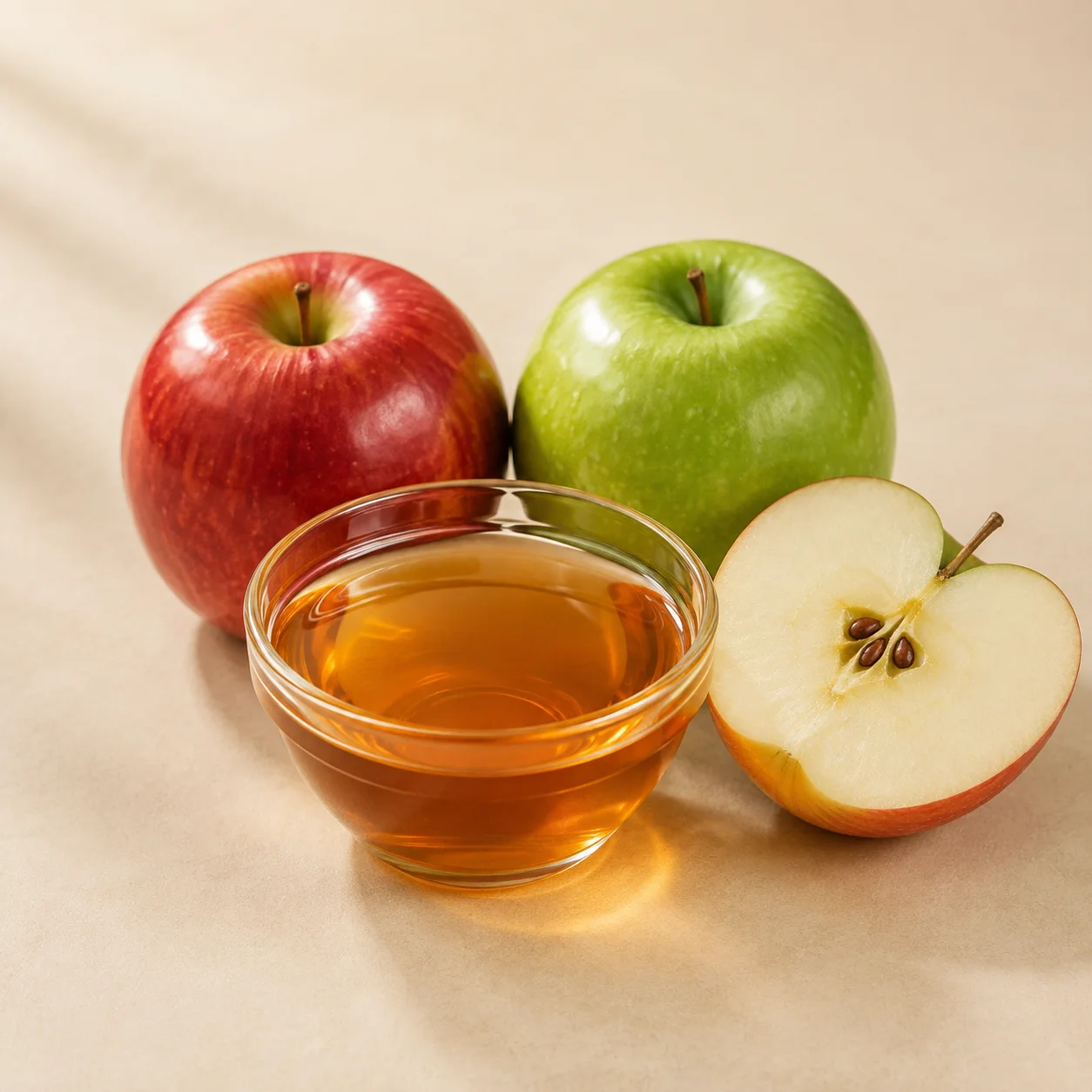
Concentrated apple juice for rounded fruit blends, drinks, glazes and sweet-savoury recipes.
Concentrate
How to connect fruit character, dilution and processing with a useful beverage-development brief.

The best concentrate for a drink is the one that delivers the intended fruit experience in the finished recipe. A clear comparison plan helps developers choose confidently and gives purchasing a useful reference for repeat supply.
A concentrate is fruit juice with part of its water removed. That gives a beverage developer a fruit component to combine with water and the other ingredients in a recipe. The important starting point is the finished drink: a still fruit beverage, a carbonated mixer and a syrup diluted at service each call for a different balance.
Decide which fruit should lead the flavour and which ingredients should support it. Apple, grape, pomegranate and date concentrates offer different directions to explore. Compare a small series of blends at the same serving dilution; record fruit identity, sweetness, acidity and aftertaste. Describe the result in the glass, rather than choosing from an ingredient name alone.
Soluble solids are one useful measurement, but they do not describe the complete sensory result. Appearance also matters: define whether the drink should be clear or cloudy and how much sediment is acceptable. Test the proposed ingredient in the actual base, especially when the recipe contains carbonation, proteins or other components that change the finished drink.
Evaluate the selected blend after the planned treatment and in the intended pack. Compare flavour and colour at preparation and during the proposed storage period. Keep the recipe, dilution and evaluation conditions consistent so the results help you distinguish an ingredient choice from a process change.
Begin with a simple reference base and change one ingredient at a time. Keep one set of samples at the same documented addition level to see how the proposed concentrates differ. Use a separate round to adjust the complete recipe towards the desired taste. Mixing these two questions can hide a useful result: a sample may be preferred because of its fruit character, or simply because that particular recipe is sweeter. Record which question each tasting is intended to answer.
“Good flavour” is difficult to purchase against. Describe the leading fruit, the expected colour, the balance at the first sip and any aftertaste you want to avoid. Photograph appearance under the same light and use the intended serving glass. If a drink will be consumed cold, include that condition in the tasting record. Retain the approved sample identification alongside the recipe version so a later comparison can be traced to the actual development decision.
Name the drink, target market, fruit profile, dilution, process and expected volume. Add your analytical priorities and preferred delivery format. This turns a broad request for fruit concentrate into a brief that can guide product selection and sample evaluation.
Concentrated apple juice for rounded fruit blends, drinks, glazes and sweet-savoury recipes.

Pomegranate juice concentrate for vivid fruit drinks, tart-sweet sauces and distinctive dressings.
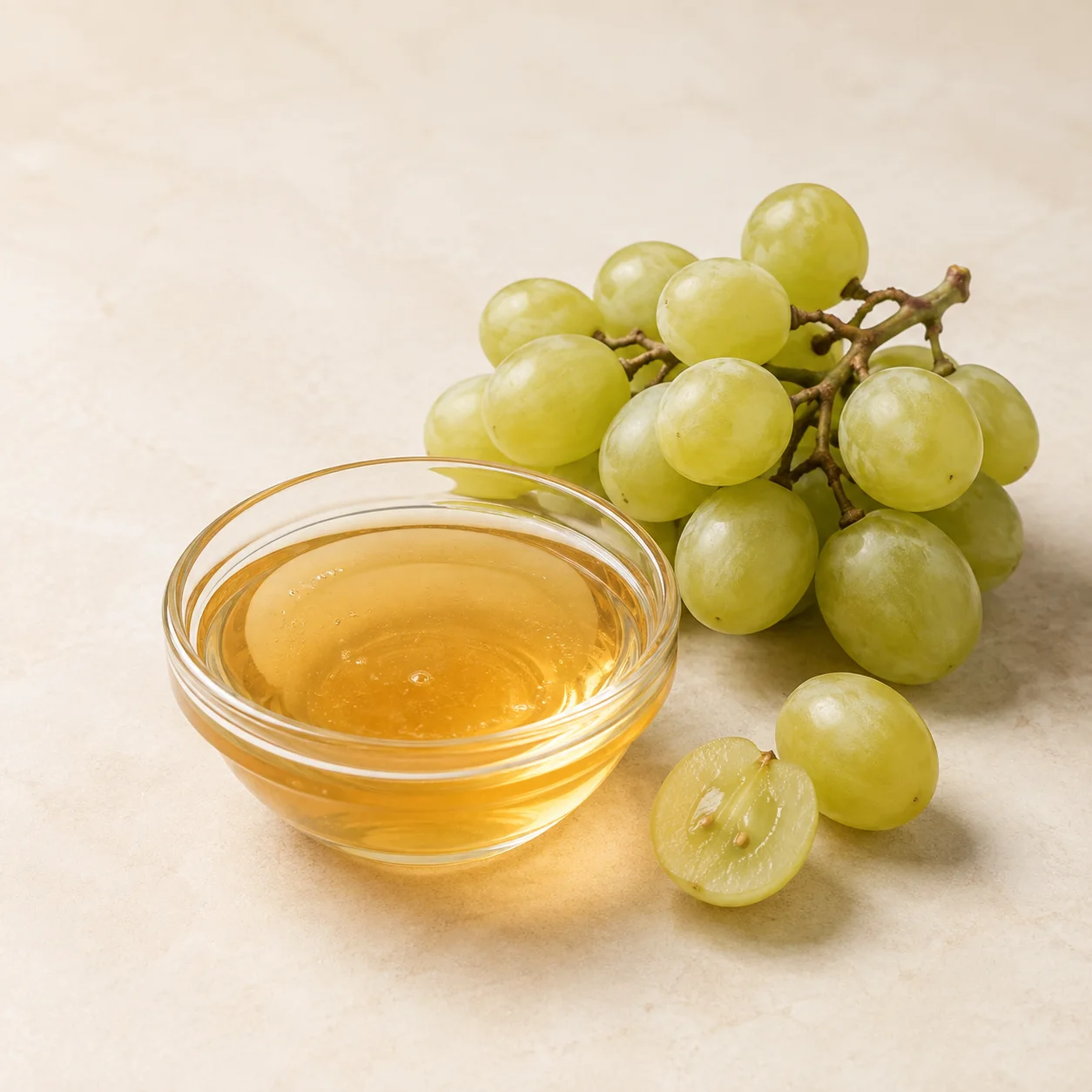
White grape juice in concentrated form for fruit blends, beverage bases and rounded sweetness.

Ekinden supplies date juice concentrate for beverage bases, sauces and bakery formulations, bringing date character and sweetness into a concentrated liquid ingredient.