

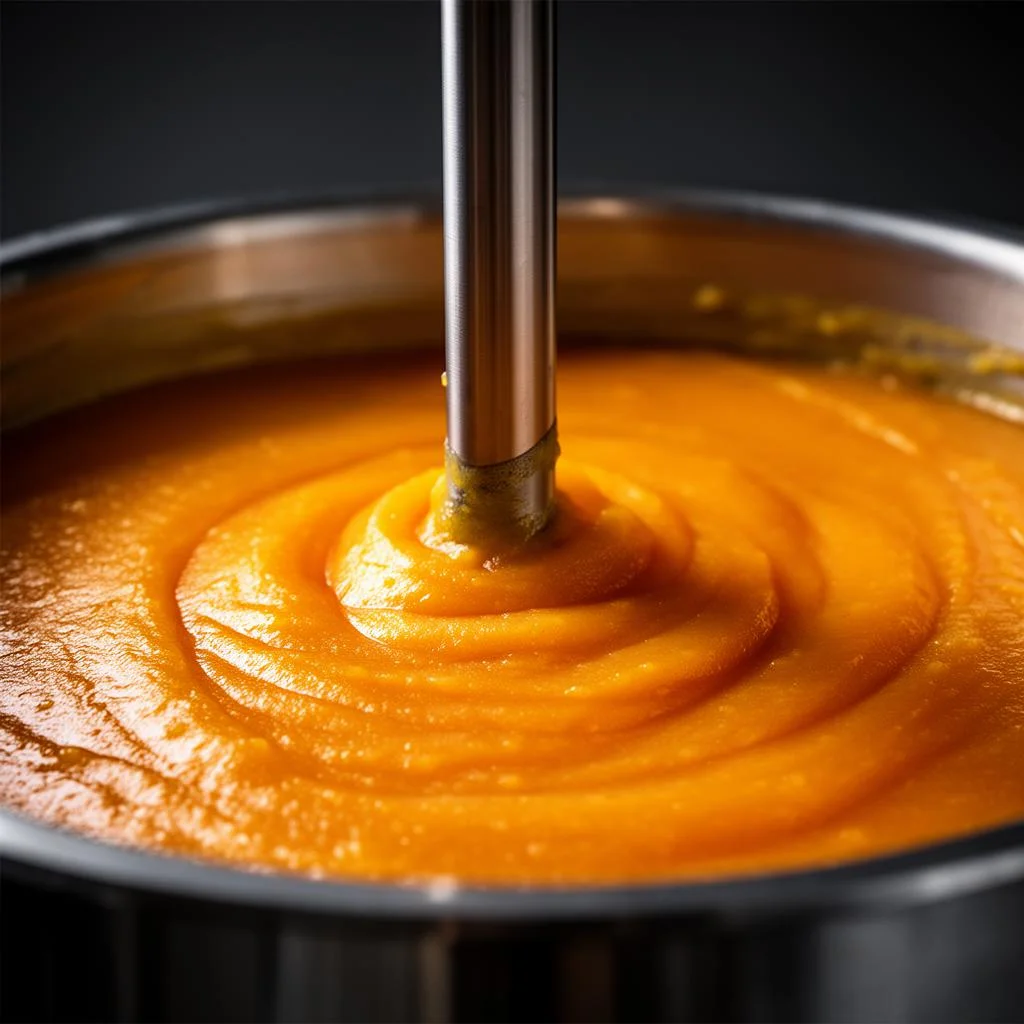
Fruit & Vegetable Purées and PastesMango
Mango Purée
Mango fruit purée for rounded tropical flavour in smoothies, yogurt preparations, frozen desserts and sauces.
Purée
A practical route from fruit choice to a stirred preparation, fruit layer or frozen dessert.

A fruit layer, a smooth stirred dessert and a ripple through ice cream ask different things of a purée. Select the fruit with its place in the finished product in mind, then make that experience the centre of the trial.
Fruit purée is an ingredient option recognized in the FAO/WHO standard for flavoured fermented milks. For your project, decide how the fruit should appear: mixed throughout a yogurt, layered beneath a dessert or swirled through ice cream. Treat these as separate development briefs, even when the same fruit is used.
Make a short list around the intended recipe. Mango and apricot can lead a fruit dessert; black mulberry offers another direction, while date purée can be explored when date character belongs in the concept. Taste each proposed ingredient on its own, then in the actual base. The useful comparison is the finished recipe at its intended serving temperature.
Decide whether the fruit should blend into the base or remain a distinct layer. Compare the amount added, the mixing sequence and the desired particle character. For a frozen dessert, assess the result after freezing and at service, not only in the liquid mix. For a chilled preparation, examine the fruit and base together during the planned storage period.
Keep a record of the fruit-to-base ratio, preparation method and serving conditions. Photograph the appearance and note flavour, texture and any separation. Use a consistent evaluation sheet when comparing samples. A change in the base or preparation method can otherwise look like a difference between purées.
Prepare the sample in the portion and serving format you intend to sell. A spoon that passes through a fruit layer and a plain base creates a different tasting sequence from a fully blended dessert. Look at the first spoonful and the final one, as well as the appearance of the unopened portion. This helps the team decide whether the fruit should be evenly distributed, visually distinct or deliberately varied through the product.
Avoid approving one sample for two different applications simply because both contain dairy. For a chilled pot, record the filling order, the position of the fruit and observations during the planned holding period. For a frozen dessert, retain the preparation history and evaluate the sample after the intended freezing and serving sequence. Keep the base recipe identifiable in both cases. If it changes, create a new comparison rather than assuming the earlier preference will still apply.
Share the dessert type, base ingredients, fruit presentation, treatment, filling sequence and destination. Identify the analytical and handling information your team needs. The product page introduces the ingredient; a sample in the complete recipe establishes whether it suits the experience you want to create.
Mango fruit purée for rounded tropical flavour in smoothies, yogurt preparations, frozen desserts and sauces.
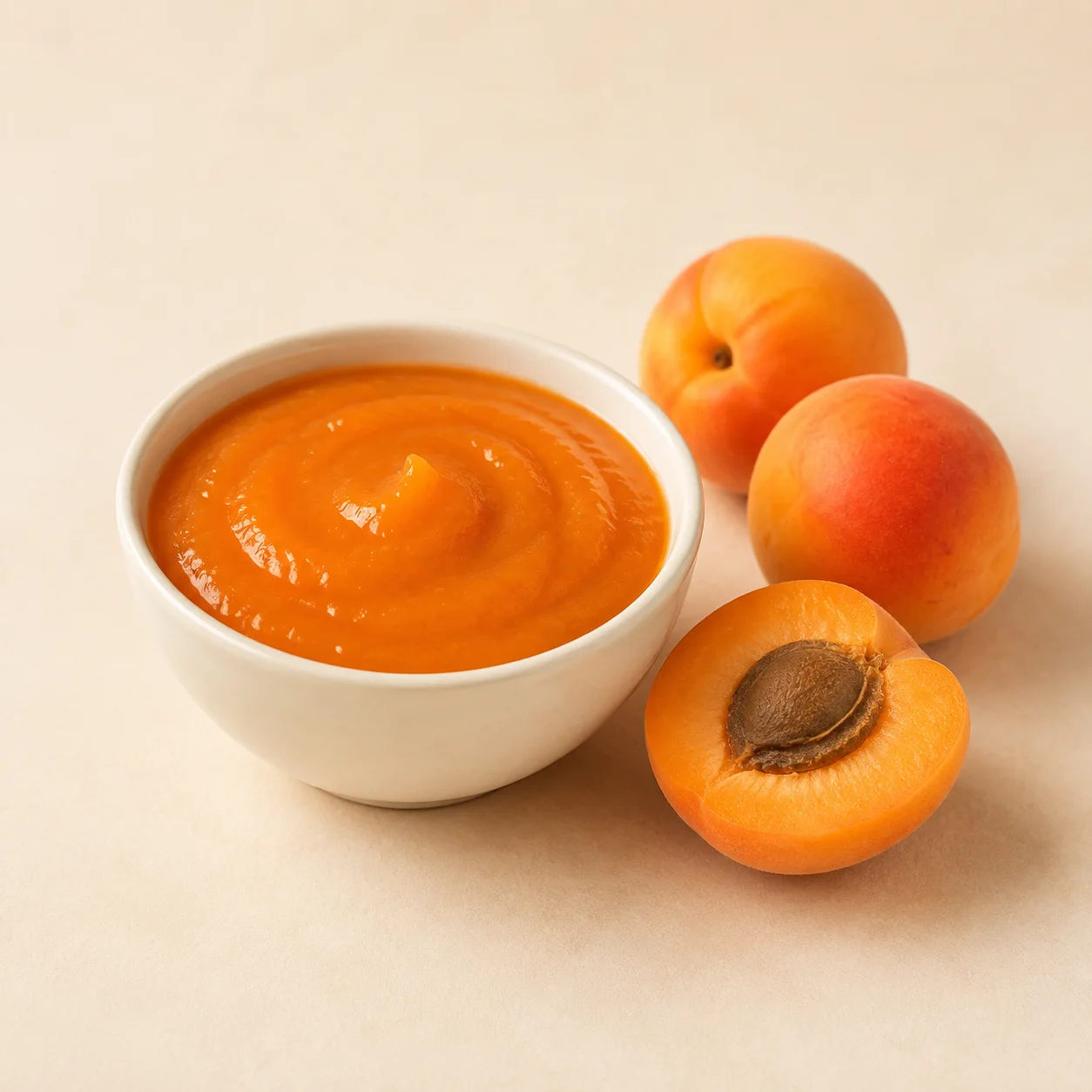
Apricot fruit purée for bright stone-fruit desserts, yogurt preparations, sauces and bakery fillings.

Date flesh in a purée format for fruit preparations, fillings and blended recipes.
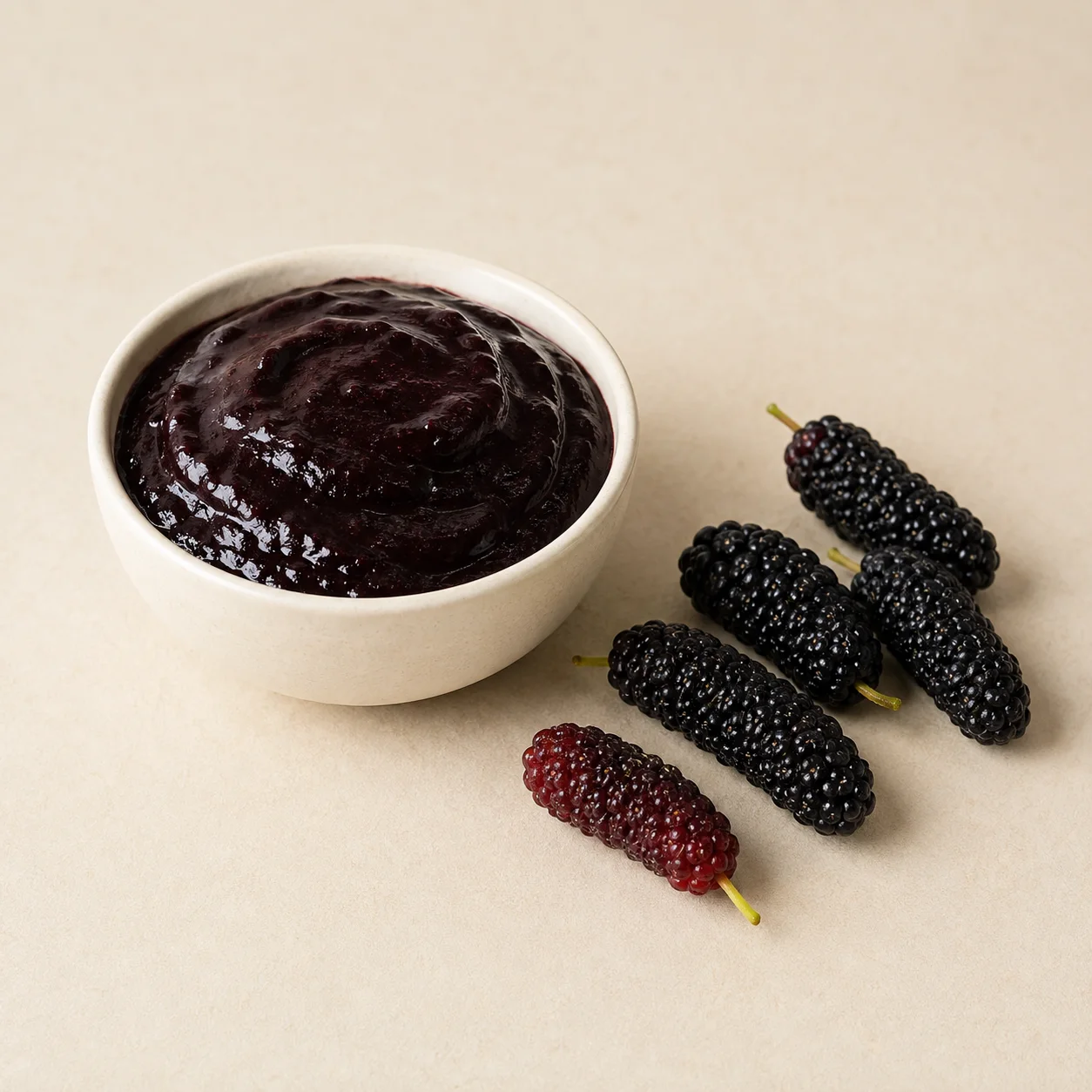
Black mulberry fruit purée for distinctive desserts, fruit layers, sauces and pulpy drinks.